Article: The Bushidō Code: Seven Virtues That Define How We Live and Dress

The Bushidō Code: Seven Virtues That Define How We Live and Dress
What Is Bushidō?
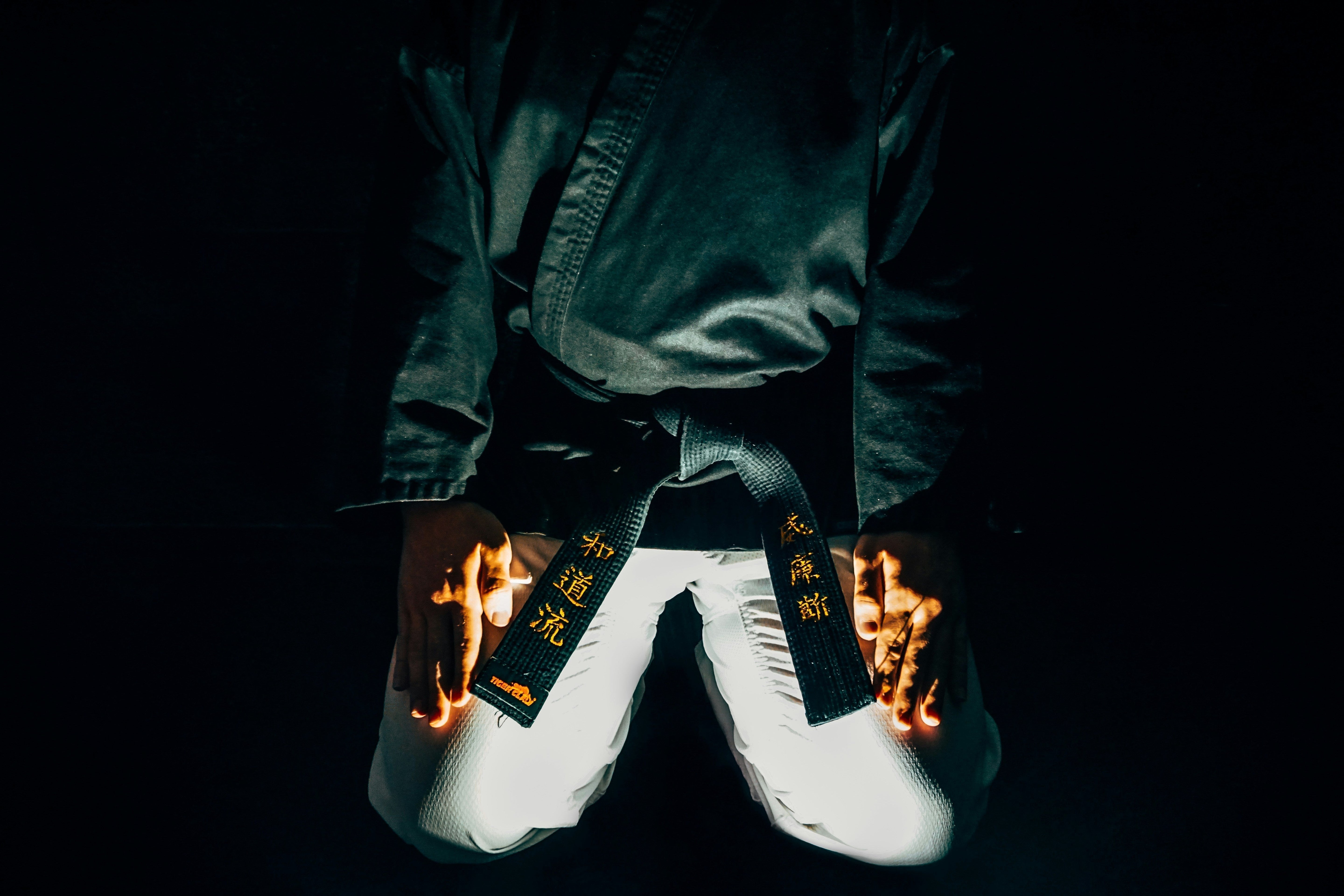
Centuries ago, the samurai lived by a code known as Bushidō - the way of the warrior. It was more than a rulebook, it was a way of life. A philosophy that demanded integrity, courage, respect, and loyalty, not just on the battlefield, but in every moment of existence.
Today, the battles have changed. We fight distractions, expectations, and doubt. Yet the same code endures, as a reminder that strength begins from within.
The Seven Virtues of Bushidō, re-imagined for the Modern Fighter
Over time, the samurai’s discipline was distilled into seven guiding virtues. Though born in a distant age, they continue to echo through the way we live, train, create, and even dress.
1. Gi : Rectitude (Integrity)

Gi is doing what is right, not what is easy. For the samurai, rectitude meant standing firm in the face of uncertainty & the moral backbone that defined their every move. In our world, Gi lives in the quiet decisions: the consistency of your craft, the honesty in your work, the discipline in your choices. It’s the refusal to bend your values even when no one’s watching.
In fashion, integrity reveals itself through intention. It’s the clarity of design that doesn’t chase trends, the clean lines that reflect purpose over noise. When you choose garments that speak to who you are and not what the world demands - you embody Gi.
Integrity isn’t about perfection, it’s about alignment- both inside and out.
2. Yu : Courage

Courage isn’t absence of fear, its's living through it. Yu is the will to act despite doubt, to step into the unknown when comfort tempts you to stay still.
In modern life, Yu is choosing growth over comfort. It’s taking a risk on your dream, defending your beliefs and walking a path that others might not understand. In fashion, courage appears in authenticity, the confidence to wear what represents you, not what’s expected.
True style reflects when you stop seeking approval.
3. Jin : Compassion

Strength without compassion is emptiness. Jin reminds us that power should always protect, never exploit. The samurai who could destroy was most honoured when he chose mercy.
In our daily lives, compassion is how we show strength through kindness by listening before reacting and helping without being asked. It extends to the way we consume: supporting ethical creation, respecting craftsmanship, valuing the hands that build what we wear.
In an age of indifference, choosing to care is an act of rebellion. The strongest warrior is the one who fights for others.
4. Rei : Respect

Rei is the art of balance, grace in conduct and humility in strength. To live with respect is to treat every interaction with honor, whether with others, your environment, your craft, yourself.
Respect shows in how you carry yourself, the way you walk, speak, and present. Clothing becomes part of that ritual. When you dress with awareness, choosing simplicity over waste, you express Rei.
To wear something with respect, is to honor the craft.
5. Makoto : Honesty


Makoto is truth, not in words alone, but in the alignment of thought, speech, and action. The samurai’s promise was unbreakable because his word was his bond.
In life, honesty means authenticity, the courage to be seen as you are. In fashion, it’s rejecting imitation and embracing your true aesthetic. No false fronts, no need for approval, just clarity of self expression.
Style without sincerity is costume. But when you wear with honesty, even the simplest outfit commands presence.
6. Meiyo : Honor

Honor is the invisible armor you carry. It’s not pride for the sake of ego, but the quiet confidence of knowing who you are and what you stand for.
In life, Meiyo is dignity, the will to rise after failure and the humility to keep learning. It’s showing up with purpose, knowing your worth isn’t defined by attention. Fashion mirrors this through subtlety, in the understated cut, the tailored fit and the way you move in what you wear.
Real honor doesn’t scream. It commands silence.
7. Chūgi : Loyalty

Chūgi is devotion to your people, your craft and your principles. For the samurai, loyalty meant giving one’s all to a cause greater than oneself.
Today, it’s about staying true to your word, your work, and those who trust you. It’s showing up consistently no matter how long the fight lasts. In fashion, loyalty means building a connection with what you wear, caring for it, wearing it with pride, supporting creators who share your code. Trends fade, but loyalty endures.
A warrior’s loyalty is his legacy.
Living the Code
The Bushidō code isn’t a relic of the past, it’s a mirror for the present. It reminds us that strength isn’t loud, courage isn’t reckless, and fashion isn’t vanity. Every choice we make, what we wear, what we say, how we live, can either reflect chaos or discipline.
At Bshidō, we honor the warriors code with our collections, it is the calm spirit that fuels our relentless purpose. Our latest collection carries that energy of simplicity forged with strength, design born from discipline.
The Bshidō Creed: Wear your code. Live your fight.